>Watching trees

>
What about these words of Dee Hock?

True power is never used. If you use power you never really have it.

The words stand relatively unconnected in a box on page 140 of Birth of the Chaordic Age as a mini maxim.
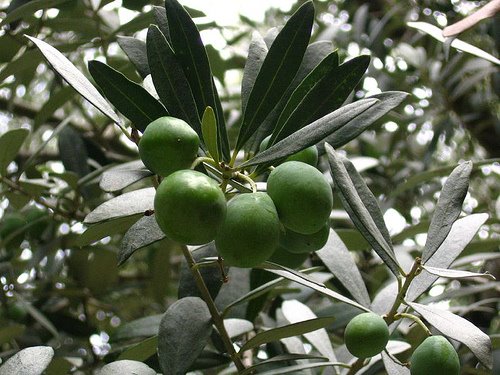
Half an hour later I am confronted with Jotham’s Parable of the Trees from Judges 9 who uses his tree watching to reflect on the political power struggle which saw Abimelech wanting to snatch power. The trees refused to be made king. The olive tree, the fig tree and the vine didn’t want to give up the goodness of what they were producing. It was the bramble who accepted the invitation with the words “If in good faith you are anointing me king over you, then come and take refuge in my shade; but if not, let fire come out of the bramble and devour the cedars of Lebanon.”
I speak from bitter experience that brambles take over gardens. The invitation to seek shelter is an invitation to be throttled – and the threat of fire just clears the ground for the bramble to spread. (One test of the character of a man is to see how he treats those who disagree with him. If his only desire is to destroy those who disagree, then he is much like the bramble – plenty of good points, but no real substance for good.[from David Guzik])
So “Bramble King” is how Jotham thought of his brother. He was violent as was the rule of many of Israel’s kings. The experience of monarchy was not good. People looked back with nostalgia to a time when “there was no king in Israel, when all the people did what was right in their own eyes.” and I look forward to Dee Hock’s mini-maxim:

True power is never used. If you use power you never really have it.
and then I think of Robert Mugabe and the dictators who cause so much suffering because of their clinging to power. Is that what defines a dictator – “someone who clings to power”?

>The Innocents

>Well – I’m not sure it worked! The Liverpool Nativity was obviously very ambitious but probably fell between the two stools of celebrating Liverpool life and the telling of the Nativity. It was good to see a city celebrating itself (though what say did the citizens have in that?) and the ideal to be “hospitable” was good to highlight. But the plot was naffly political although feasible and lost credibility in trying to be politically relevant. Joseph is an asylum seeker from the beginning, rather than becoming an asylum seeker after Jesus’s birth, and asylum seekers become the target of strong government as opposed to boys under the age of two. I got the feeling that the story was being (ab)used for publicising the Year of Culture. There will be better attempts at retelling the Christmas story in our schools and churches over the next week – including “Come to a Party” – the nativity at Tarvin with so many children enjoying being part of the telling story.

What did come across was the power of government and the vulnerability of the holy family/migrant worker. In today’s Guardian Madeleine Bunting refers to R I Moore’s book on medieval history called “The Formation of a Persecuting Society” suggesting that today’s society is just as likely to be a persecuting society as any. She paralells today’s society with medieval society. One comment (from PetraMB) to her article puts the blame on “the church” but rimbaudbob points out that scapegoating has always been part of human nature, and that Jesus on the cross was scapegoat. Rimbaudbob is saddened that the work of Rene Girard has been ignored on this subject.

The Birth Story Christians treasure is a challenge to how church politics are conducted and how the power should be lived. Only saintly and exceptionally has the challenge been met – but I guess that is also the point of the Christmas story – that we should be so surprised to be so highly favoured, and that God so loves the world that he gives us his life. Why?

I wonder whether persecution is part of wanting to be powerful and whether it’s better to conclude that power is something we can’t really be trusted with. One of the hymns of the early Church praises Jesus for resisting it (Philippians 2:6).