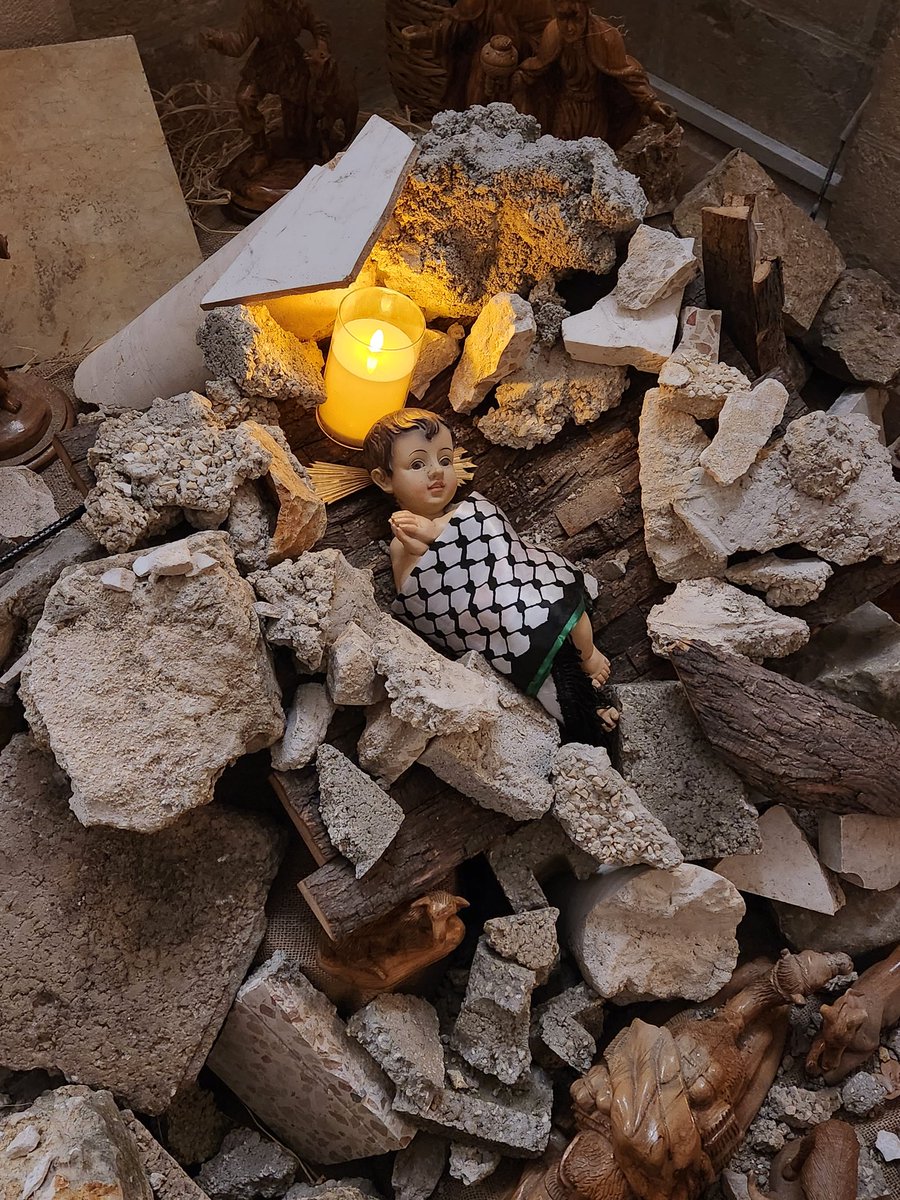
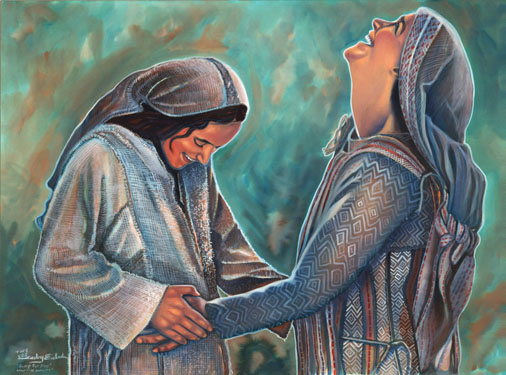
Christ the King

A sermon for the last Sunday of the year for two small congregations in rural Warwickshire

November 24th 2024

This is the last Sunday of the liturgical year. Next Sunday, Advent Sunday, begins a new liturgical year with a new cycle of readings. The whole lectionary cycle comes to this – the conclusion of all the readings, all the prayer of the year, all the praise we have sung, all we have learned – it all leads us to the conclusion that Jesus Christ is Lord and King. So today is known as Christ the King Sunday. 

Our worship is structured the same each week. What changes are the readings appointed for each week. Those readings inspire us to sing different praises each week. Those readings affect the way we pray each week and those readings inspire different preaching for each week. They give us our seasons: seasons of Christmas, Epiphany, Lent and Easter. They give us “Ordinary Time” and they give us this time which is slowly being recognised as “Kingdom time”. 

I don’t know how the readings have been chosen but the pattern of readings has become so established that we can say that the lectionary we use is the same as is used throughout the Church of England and within the other denominations including the Roman Catholics across the world with very little variation and few exceptions. We can be confident that the readings we’re taking to heart today are the same ones worshippers in Coventry Cathedral, at Our Lady & St Wulstan Church in Southam, in the churches in the Netherlands, in Jerusalem, Hong Kong, Africa etc. Joe Biden, King Charles, Archbishop Justin, will all be engaging with the same texts alongside worshippers in Ukraine and Russia. And all of us are coming to the same conclusion today – that Jesus Christ is Lord. 

The lectionary follows a three year pattern. The years are A, B and C. Each year focuses on a particular gospel. Today is the last Sunday of year B when the focus has been on Mark’s gospel. Next year (next Sunday) we will turn to Luke’s gospel, and the following year we’ll be with Matthew again. Readings from John’s gospel are interspersed throughout the three year cycle. 

The readings account for our faith. They describe our faith journeys and our life journeys, from beginning to end, from alpha to omega, from the germ of faith, from being strangers to becoming friends – all the way to being his beloved followers, choosing the way to live for the kingdom of God, letting the way of Jesus be the governance for our lives. We’ve turned to Christ. The liturgical year accounts for how we got to that point and helps us to get to that point of acknowledging that the king of love my shepherd is. 

The king of love is not like any other king. We have a king –  Charles. We can’t help having him as king. Without him there would be no United Kingdom. The government is his. Keir Starmer is his Prime Minister. He’s king for all of us whether we like it or not. We pray that the king of love will be his love so that he may be a king of love himself.  We have history to show us the dreadful consequences of the rule of those who aren’t ruled by love.

The king of love never forces his rule on us, and neither does he force his rules on us. We can choose to follow them or not.  

We can choose him, or choose the rule of others. And when we do choose him we choose a rule unlike the rule of any other kingdom. The rule of the kingdom is love which puts the last first, which finds the lost, which treasures the least and smallest and promotes them as the very model of discipleship and faith. The entry requirement is that we have to change and become like little children to enter the kingdom of God. Jesus pictures entry the size of a needle and only the smallest get through. 

These are the rules we discover in our reading of scripture day by day, Sunday by Sunday – making new discoveries all the time about the ways of the kingdom of God and the way of the king of love. He’s the king who insists on service, not lordship. He’s not spared suffering – in fact he embraces suffering for our sake. He goes to the heart of the suffering of his people, taking on their wounds, persecution, oppression and pain, showing his way through them – the way which refuses the use of the sword, which endlessly forgives, which subjects enemies to his love. 

This is the way that took Jesus to Jerusalem – on a donkey, not a motorcade. This is the way that ultimately sees Jesus’s throne on the cross, just like other criminals and enemies of state, pilloried and crucified. And there on the cross, reigning supreme to the last divine breath, and suffering agony and torture, he is ironically crowned, “KING OF THE JEWS” 

This is the way through it all. This is the way of the king of love who shepherds us through the valleys of our lives when death overshadows us. This is the way of the king of love “whose goodness faileth never”. 

This is the rule we follow, the way we follow through our lives when we follow the way of Christ the King, when we follow Jesus as his disciples. 

So we come to the end of the year full of praise for Jesus and prepared for committing ourselves afresh to live for the kingdom of God and all its ways of love, on earth as in heaven. 

In this week’s newsletter Margaret has drawn our attention to the collect from a time before this Sunday was ever called Christ the King Sunday. It’s the collect which gave this Sunday the name “Stir up Sunday”, the cue to start stirring our Christmas puddings. It would be a strange thing if our year’s work culminated in the first stirrings of a pudding! It’s not about stirring our puddings, but stirring our wills to live for the kingdom of God with Christ our king. “Stir up, we beseech thee, O Lord, the wills of thy faithful people”

Let’s sing. 

The folly that brings the house down

This is a reflection for Safeguarding Sunday for two rural Warwickshire churches where there is a clergy vacancy. The readings for the day, the 2nd Sunday before Advent, Daniel 12:1-3 and Mark 13:1-8

‘What large stones and what large buildings!”

You can almost hear the disciple’s jaw dropping at the sight of the wonderful temple building. If he’d had a camera on him he’d have taken a photo. He might have even taken a selfie and posted it on his insta account!

WOW

That was the popular view – to be amazed at the structure of the temple and the institutions of Jerusalem.

But Jesus’s response is very different. He’d been inside the temple and seen for himself. In fact, he’d only just been in the temple – the verses of today’s gospel come immediately after he’d watched the widow give her last pennies into the treasury inside the temple and it made him see the temple and its structures differently.

We normally use that passage to encourage generous giving. Give like that widow. Instead of it being an example of generous giving it really is an example of exploitative abuse by a hypocritical institution.

Hear what Jesus said: “Beware of the scribes who like to walk around in long robes, and to be greeted with respect in the market-places, and to have the best seats in the synagogues and places of honour at banquets! They devour widows’ houses and for the sake of appearance say long prayers.” (Mark 12:38-40)

He’d seen it for himself – all those large stones and imposing buildings so loved by pilgrims and tourists – they were built off the backs of vulnerable widows. Religion built up with injustice can’t stand – not one stone on top of another.

Mark’s gospel was most likely written in AD69, during the Jewish revolt against Rome. In the background would have been recruiting agents trying to enlist people for the war effort. The revolt was to regain sovereignty and freedom from Rome. 

To parody today’s political parlance it was “to take back control” and “make Israel great again”. The aim was to restore their fortunes – but if things were restored there would still be the scribes being hypocritical and abusing the widows. The old structures would still be in place.

Everything had to come down – as it did the year after Mark wrote his gospel, after Titus was dispatched by Rome to put an end to the rebellion. After five months of pitched battles Jerusalem lay destroyed with the temple burned to the ground – not one stone standing on another.

Jesus had seen it coming. He was concerned for his followers. He knew it would be the end of the world for most people to see their city ruined and their temple destroyed. Their whole identity was so wrapped up in Jerusalem and the temple. He told them not to be alarmed when these things happen, when war comes, when earthquakes shake us or when famine strikes, because none of these things are the end. They’re not the end, they are “but the beginning of the birth pangs” if we allow them to be. 

All sorts of things can be the end for us. Some of us may have had moments in our lives which we thought might be the end – grief, suffering, depression, disappointments which we thought we would not have survived. But with God on our side, at our side, as midwife, as Father, Son and Holy Spirit we have found faith restored, hope renewed. We’ve made that journey to hell and back, living through what we thought would be the end of us.

What Jesus is trying to do is help his followers see through all the rumours of disaster (destruction of temple, war, famine earthquake etc) to the promise of beginning again with the power which makes rebuilding possible in a world which seems to be ending and where everything seems broken.

Today is Safeguarding Sunday. This is timely in a week where the structures of the Church of England – with all their fine stones and large buildings have been shown to be woefully inadequate for safeguarding people against those wolves who come among us in sheep’s clothing in search of prey. The regard and admiration people may have had for the Church of England is in tatters because of the failures in protection and reporting.

The scandal that prompted the resignation of the Archbishop this week, and which is likely to trigger the resignation and sacking of others is a scandal of the elite. John Smyth was an elite judge in an elite movement to recruit elite boys from elite public schools to train them for elite leadership in the church which they would have kept elitist. 

One of the most telling phrases about Archbishop Justin’s part in all of this has come from a friend in a Facebook post. He thinks “the problems that Archbishop Justin had in his ministry really all stem from the fact that as a disciple of Christ he found it too difficult to distance himself sufficiently from the establishment in which he was born and raised.  We all struggle to outgrow the environments that shaped us.  Unfortunately, in his case, it would appear he could never leave behind a fundamental respect for temporal power.”

It’s all very sad – some of you may have known Justin and benefitted from the gifts of his ministry when he was in Southam from 1995 to 2002. He has asked for prayer for himself and his wife Caroline.

Too often we see institutions intent on protecting their reputations at the expense of those who have become suffering victims within them. We saw that in the Post Office scandal

Too often we protect our own personal reputations in spite of the suffering caused by our harm and neglect. But when we do we get in the way of God whose whole mission is to protect and redeem the victims of abuse and injustice. We mustn’t be afraid of upsetting the status quo, or damaging reputations or even the dismantling of whole structures. Sometimes buildings need to be toppled from the top down so that there can be regime change.

So much in the church is imposing – including the stonework. But so much of what is imposing is also intimidating. Many have suffered in silence not daring to raise their voice. Others have known that it would be a waste of time reporting their concerns. The culture of entitlement, protectionism and deference needs to be dismantled wherever it is found. That is difficult for anyone raised within the culture of establishment.

This is what the call to discipleship is – to come away and accept a regime change by turning to Christ and accepting the regime of God. The toppling of the stones so admired for generations is nothing to be alarmed by. It’s not the end. It’s the beginning.

Sometimes things need to end for God’s work to begin. Sometimes things need to end, in the words of Daniel, leaving  “some to shame and everlasting contempt”, so that God’s work of safeguarding his creation can begin, again, in the words of Daniel, when “those who are wise [in the way of God’s kingdom] shall shine like the brightness of the sky and those who lead many to righteousness will be the real stars, for ever and ever.

In this context we pray. For this purpose we work and pray, as in this prayer for Safeguarding Sunday:

Dear God,
help us to be a church that
loves, welcomes, protects.
Listens, learns, serves.
Repents, restores, transforms.
Values, cares, believes.
God of Justice and compassion, hear our prayer.
Help us, heal us, guide us, we pray.
In Jesus name. Amen. 

November 17th 2024

Daniel 12.1-3
12  ‘At that time Michael, the great prince, the protector of your people, shall arise. There shall be a time of anguish, such as has never occurred since nations first came into existence. But at that time your people shall be delivered, everyone who is found written in the book.
2  Many of those who sleep in the dust of the earth shall awake, some to everlasting life, and some to shame and everlasting contempt.
 3  Those who are wise shall shine like the brightness of the sky, and those who lead many to righteousness, like the stars for ever and ever.

Mark 13.1-8
1  As he came out of the temple, one of his disciples said to him, ‘Look, Teacher, what large stones and what large buildings!’
2  Then Jesus asked him, ‘Do you see these great buildings? Not one stone will be left here upon another; all will be thrown down.’
3   When he was sitting on the Mount of Olives opposite the temple, Peter, James, John, and Andrew asked him privately,
4  ‘Tell us, when will this be, and what will be the sign that all these things are about to be accomplished?’
5  Then Jesus began to say to them, ‘Beware that no one leads you astray.
6  Many will come in my name and say, “I am he!” and they will lead many astray.
7  When you hear of wars and rumours of wars, do not be alarmed; this must take place, but the end is still to come.
8  For nation will rise against nation, and kingdom against kingdom; there will be earthquakes in various places; there will be famines. This is but the beginning of the birth pangs.

The Cruel Sea is on its way out – a reflection for All Saints Sunday

All Saints Sunday

Some made heavy weather through this sermon for All Saints Sunday in spite of the very well read scripture for the day – Revelation 21:1-6a. (My fault.) It was the detail in the text of the sea being no more which caught my eye and triggered my imagination. It’s not often we preach from Revelation. It’s the last word in our scripture, the last book that graphically seems to sum up the ways in which the Bible as a whole reveals God in the troubles of our lives.

All Saints Sunday – November 3rd 2024

Every grandparent of young children knows the Disney film Moana – probably word for word. Moana is the daughter of the village chief on a remote island where no one goes beyond the reef because of the dangers of the wider sea.

The wider sea is a place of danger. It’s not a place for poor islanders if they want to stay safe. Their boats were for fishing in the shallow seas. The seas are dangerous particularly for those who are poor, as we have been seeing in the attempted channel crossings that desperate people are making. The seas swallow the poor who dare to go beyond the reef.

It’s only the empires of the world that have conquered the seas with their vast ships and wealth of engineering. Rule Britannia and all that. 

Rule, Britannia! Britannia, rule the waves!
Britons never, never, never will be slaves.

Rule Britannia was written in 1740 just at the time when the British empire did rule the waves – as it did for two centuries until the First World War. While it may be true that empires bring some benefit, so often the ships of empire only brought trouble, bringing occupation and taking land, minerals and people for empires own purpose.

This is how Revelation sees the sea. Revelation is the last book of our scriptures. It wraps it all up and wraps it all up so graphically. It’s like a graphic novel. 

Revelation 21.1-6a
21  Then I saw a new heaven and a new earth; for the first heaven and the first earth had passed away, and the sea was no more.
2  And I saw the holy city, the new Jerusalem, coming down out of heaven from God, prepared as a bride adorned for her husband.
3  And I heard a loud voice from the throne saying, ‘See, the home of God is among mortals. He will dwell with them; they will be his peoples, and God himself will be with them;
4   he will wipe every tear from their eyes. Death will be no more; mourning and crying and pain will be no more, for the first things have passed away.
5   And the one who was seated on the throne said, ‘See, I am making all things new.’ Also he said, ‘Write this, for these words are trustworthy and true.’
6  Then he said to me, ‘It is done! I am the Alpha and the Omega, the beginning and the end. To the thirsty I will give water as a gift from the spring of the water of life.

John sees a new heaven and a new earth, for the first heaven and the first earth had passed away, and the sea was no more.

In the graphics of his revelation, John sees “the beast” rising out of the sea with ten horns and seven heads bearing blasphemous names. The beast comes from the darkness and the vastness of the sea. The beast had authority over every tribe and people and language and nation. In other words it was “empire”. The beast/empire made war on everyone who threatened its power, including trying to conquer the saints. All the suffering of the first heaven and the first earth comes from the beastliness of what comes out of the seas – those who rule the waves cause poverty, pain and tears “for the peoples of the world”. This is John’s revelation – what God revealed to John.

John himself was a victim of the beast of the sea. In his introduction, in chapter 1, he tells us that he is a victim of the persecution of Christians and that he was on an island called Patmos “because of the word of God and the testimony of Jesus”. 

Pliny and Tacitus tell us that prophecy, particularly prophecy with political implications, was seen as a threat by the Roman empire. Those guilty of such prophecy were deported. So, here is John, having been deported across the sea of empire to an island surrounded by cruel sea, living in exile. More graphically, empire swallowed John up and spewed him on an island – cast away.

Just as empire was doing its worst for John, those earliest Christians and other peoples of the world John has this revelation of the end of empire – the ending of the first earth ruled by empire. He sees a new heaven and a new earth, for the first heaven and the first earth had passed away, and the sea was no more, because evil empire is no more.  He sees the end of the old rules and the beginning of a new rule in the form of the holy city, new Jerusalem, coming down out of heaven from God, and he heard a loud voice coming from the throne of the new rule saying the “home of God is among mortals. He will dwell with them; they will be his peoples, and God himself will be with them.”

The point about empire and the sea underlines the political context of this revelation of God’s work. We still live in a political context which causes untold suffering. It is within that political context that God lives, moves and has his being. This is how God has revealed himself, time and time again, ever present in the troubles of the peoples of the world. This is the revelation that is treasured in our scriptures in book after book.

He comes to us. The Lord is here. His Spirit is with us – in the here and now, helping us through times of trial, strengthening our fight against injustices, making saints out of sinners. “See” said the one seated on the throne so different from those of worldly empires to John. “See, the home of God is among mortals. He will dwell with them; they will be his peoples, and God himself will be with them.”  

This is down to earth. It’s not pie in the sky when we die, as when we say “she’s gone to be with Jesus”. No. The point of God’s revelation is that he is with us now. The Lord is here. His Spirit is with us.

Down to earth, not pie in the sky.  God makes his dwelling with us. He stands at the door and knocks – and waits, and waits till we answer his call – and all is revealed as soon as we let our hearts, minds, hands and eyes be opened.

It’s in our lives here and now that God reveals himself – as Father, Son and Holy Spirit. As father, making good things of earth, fashioning us for now, answering our prayer. In Jesus proving himself down to earth. As Holy Spirit breathing new life into us, inspiring us, encouraging us, strengthening us here and now.

Then the one seated on the throne made John see again. “See, I am making all things new.” This is heavenly Repair Shop stuff – making new the stuff of our lives. This brings hope here and now. This is the age we are living in – (the same as John’s, the same as everyone’s). We see so much that is broken – around us, and within us. But it is really the beginning of the end with God making all things new. Here’s the alpha, the beginning that leads to the end, the omega when there will be no darkness for shame to hide in.

This is how the book of Revelation came down to us. The one enthroned in love said to John, “Write this. Write this for these words are trustworthy and true” These words being “the home of God is with mortals” (those who will die), and “I am making all things new”.

This is how we have received the revelation of the love of God. Those words are trustworthy and true. We need to guard them with our lives and never let our Godtalk be pie in the sky when we die, but always the love from above, down to earth, here and now. Insist the Lord is here and his Spirit is with us, making all things new as we battle the beast.

We began our worship by remembering all the saints using this list circulated by Sheffield Manor Parish on their Facebook page. They credit Nel Shallow and Pete Phillips for the words.

We remember Lord today all Your saints
the brave and bold
the faithful and fearless
the pursued and persecuted
the imprisoned
the impoverished
the murdered
the martyred
the grace-full and generous
the poets and the prophets
the wonderers and the wise
the healers and the helpers
the preachers
the paupers
the cloistered
the commoners
the foolish and floundering
the unready and unsteady
the careless and the cautious
the following
the hopeless
the hopeful
the faithless yet forgiven
the faithful yet flawed
the wandering and wayward
the lost and longing
We remember today Lord all Your saints
called and chosen
beloved and beheld
holy and human
Amen

For crying out loud, what do you want me to do for you?

A sermon for the Last Sunday after Trinity (Year B) encouraging us to join Bartimaeus in his loud prayer that helps him see. The readings for the Last Sunday after Trinity (B) are Jeremiah 31:7-9 and Mark 10:46-end.

October 27th 2024

Here’s the question. “What do you want me to do for you?” This is the question Jesus asked Bartimaeus. It’s exactly the same question he asked the two disciples who approached him in last week’s gospel. The sons of Zebedee, James and John, came forward to Jesus, saying: “we want you to do for us whatever we ask of you”, to which Jesus replied: “What is it you want me to do for you?”

It’s a question any helper might ask. “What is it you want me to do for you?” It might well be a question you imagine Jesus asking you. As you settle down in prayer you might imagine Jesus asking you, “What do you want me to do for you?” Our prayer may specifically answer that question as we lay open the heart of our concerns to God.

Not that we expect God to do all we ask. Remember James and John. They wanted Jesus to do for them wherever they asked, but what they asked for was so wide of the mark that there was no way Jesus was going to do it for them. They asked to sit either side of Jesus in his glory – there was no way Jesus was going to save the seats for them. As it turned out the gospel shows us in the crucifixion scene that those to the left and right of Jesus “in his glory” are those disgraced by society, those shamed and ashamed – all three of them convicted criminals.

But sometimes our prayers are answered. Sometimes what we ask to be done is done, as in the case of Bartimaeus. 

The beginning of his prayer is shouted out and is heard above the noise of the crowd. Often our prayer is a cry, and sometimes we cry out loud, as Bartimaeus does here: ‘Jesus, Son of David, have mercy on me!’ He goes against the crowd who mercilessly tried to shut him up. But he carried on shouting, ‘Son of David, have mercy on me!’ Jesus heard his prayer. He couldn’t help hearing him: he was shouting so loud. 

Mercifully Jesus called him to him asking that question. “What do you want me to do for you?” The blind man replied, “My teacher, let me see again”. Jesus recognises the faith of the blind man in what the blind man has called him. He’s called him “Jesus”, “Son of David” and “Teacher”. According to Mark, Bartimaeus has seen in Jesus what the disciples have so far not seen. He’s the one who’s seen. It’s the disciples who are blind. When we call anyone “Teacher” we’re already trusting them to show us the way. Jesus responds to such faith, insight and trust. To the blind man he says “your faith has made you well”. Jesus had helped him see again – and Mark leaves us with this spectacle of Jesus journeying to Jerusalem with this beggar by his side. We don’t very often see the procession into Jerusalem that way, do we? But that is the way Mark paints the picture.

We can’t get away from the blind in our worship. Our other reading is also about the blind and the lame. They are what’s left of Judah after generations of suffering at the hands of the babylonian empire six centuries before Christ. Babylon invaded Judah three times that century and occupied her for 50 years. Judah was ruined. There was very little left. So much had been destroyed – Jerusalem, the temple – everything that gave them a national identity was gone. And most of the people had gone as well – killed or deported. Those who were left lived with the humiliation of being beaten. They were refugees scattered far and wide.

This scripture from Jeremiah has been treasured because of the vision Jeremiah has for these people and the words he has for them – the blind, the lame and those scattered to the four corners of the earth. These are traumatised people. They are survivors of devastating disaster. Some of you will know what it is to be traumatised by what’s happened to you. You may have lost someone or you may have suffered a life-changing injury. The news these days is full of reports of whole communities destroyed and traumatised by war in Gaza, Beirut, Lebanon. We look into their faces. There are no words. We often frame our speechlessness with those very words. “There are no words”, we say.

Traumatic shock leaves us reeling disrupting our normal mental processes because we can’t work out what is happening to us. The mind shuts down and the memory of the traumatic events become fragmented. The wounds are unspeakable. There are no words. The mind automatically shuts down feelings and turns off human responses locking violent experiences away in a form of self-protection which often means we never get to understand our pain, our loss, our grief. Trauma disrupts the trust we have – whether that is in God, in others or in the future. The future we had in mind is simply no longer there – and many traumatised people are left feeling that there is no future. “I see no future.”

This is the context for Jeremiah. He is part of a people traumatised by events. They have lost everything. There are no words. They have no vision for the future apart from their ongoing pain. But Jeremiah gives them words. They’re words given to him by God. Jeremiah shares his vision. Our reading comes from a part of the book of Jeremiah which is known as “the Book of Comfort”. God through Jeremiah is restoring their faith and renewing their hope. They have a vision for the future. Jeremiah is helping them see again.

Our readings are related. In both people are being helped to see again. That’s the one thing Bartimaeus asks of Jesus in today’s gospel. “I want to see again.” In our Old Testament reading Jeremiah helps the whole people to see themselves again, something like the people they had always been.

I suggested that you might use Jesus’ question in your prayer. Imagine Jesus asking you, “What do you want me to do for you?” After all you’ve been through, whatever that is, what will your answer be? What will you ask for?

Remember that Jesus asked that question to James and John as well as to Bartimaeus. He wasn’t interested in answering James and John’s request for status and privilege. Jesus will never answer our thirst for power, wealth or prestige. It’s no good praying over our lottery ticket. He only answers the beggar’s prayer.

Our readings are related to inspire the church to join the beggar in his prayer (not James and John in theirs).
Do we turn to Christ to help us see – to help us see differently,
to help us see ourselves differently,
to help us see our neighbours differently,
to help us see strangers differently,
to help us see our enemies differently,
to help us see the future differently,
to help us see our past differently?

Anais Nin wrote: “We don’t see things as they are, we see things as we are.” Maybe we’ve grown old. Maybe we are jaded, tired, cynical. Maybe ….

Lord Jesus, help us to see.
Help us see the way you see so that we may follow you that way.

The glory of Jesus, the bullied and the shamed standing side by side

Sermon for Trinity 21B – Oct 20th 2024

This sermon is for the shamed, the bullied, the ostracised, the oppressed as we get to grips with our readings for today from Isaiah 53:4-end and Mark 10:35-45. I am increasingly aware that the gospel of Jesus Christ and the work of the Holy Spirit is for the shamed, bullied, ostracised and oppressed. God takes his place with them.

We may well have been bullied, shamed or ostracised.

And/or we may have been the bullies responsible for shaming and ostracising. Or we may have joined in because we were afraid that if we stood out from the crowd we, ourselves, would be bullied, shunned and ostracised.

To jog your memories, let me take you back to school. I’ll take you to my school all those years ago. It was an all boys school. Then, as now, the slightest difference was picked up and became opportunity for mockery and worse.

There was a boy we called Cheggers, even though he hated that name. We were probably 12 or 13 at the time. We’d do monkey impressions in front of him, making fun of the way his jaw was set slightly differently and the way he walked differently. Of course, I joined in. I joined in because that was the safest thing for me to do. It wasn’t that I didn’t like Cheggers. I didn’t know him – and the bullying kept it that way. How could he ever make himself known in those circumstances?

There’s a six part series on Sky Atlantic called Sweetpea featuring a young woman who was bullied and neglected. She becomes a “ghost” of her former self – always feeling invisible. People keep bumping into her, saying, “I didn’t see you”.

The bullied and ostracised are never seen for who they are. We see that in the fear-ful treatment of refugees when they’re not seen as people but as a threat. We didn’t “see” Cheggers. We only saw his difference and the opportunity for joking and banter – at his expense. We didn’t know who he was. We didn’t want to know how he felt. It didn’t matter that he probably felt awful. We didn’t know that, perhaps he was the bravest boy amongst us – brave enough to keep coming back, lining up with us to brave the taunts and humiliation again and again.

And here’s where it matters – in the scriptures we treasure, to the Jesus we follow.

In those days, my schooldays, he, Cheggers, was the one who bore our sin. Our hatred, anxiety and fear was turned on him and he suffered because of us. In the language of our reading from Isaiah, he was wounded for our transgressions. “He was oppressed” by us. “He was afflicted” by us, myself included. 

Such is the emotional and physical suffering of the scapegoat.

We usually read this passage from Isaiah with Jesus in mind. It is normally read on Good Friday when we turn our minds to the suffering servant bearing the shame and pain of crucifixion. This is how we have come to know Jesus – mocked, bruised, afflicted and even numbered as one of the transgressors, one, two, three of them in the crucifixion scene.

But what we say of Jesus from this passage we can surely say of any we’ve scapegoated that he/she/they have borne our sin – our hatred, anxiety and fear. They are oppressed and afflicted when we, like sheep, have gone astray, turning to our own way of doing things. They are wounded by our transgressions and crushed by our iniquity. 

It’s not clear who Isaiah is referring to as the scapegoat in this passage.  He might have  someone in mind, or a community used to suffering persecution (such as the Jewish people down the centuries) or any sufferer of bullying. We don’t need to narrow the scapegoat’s identity down to Jesus, though, certainly the choice of Jesus was to join the afflicted, tormented and bruised, becoming one such himself.

In the book of Acts we find this very same passage from Isaiah being read, and Luke takes us scripture readers to this particular scripture reader. (It’s Acts 8:26-40). It’s an angel who directs Philip to the reader who is on the road from Jerusalem to Gaza. He is  an official in the court of the queen of Ethiopia. So important. But he was a eunuch. Historians of the period point out that although eunuchs could be given great responsibilities they were seen as “monstrosities”, stigmatised for being morally and sexually distorted and the objects of suspicion and derision. They were seen as sexual deviants. They were a laughing stock scapegoated for no fault of their own.

So, here, on the road to Gaza, we have a man who was seen as “not a man” reading of one who was “oppressed and afflicted”, who was “wounded for our transgressions” and “crushed for our iniquities” – and an angel of the Lord, from the realm of glory, had directed one of Jesus’s disciples to help him to read, mark and inwardly digest that he was reading about himself, and that he was also reading about Jesus – and there and then, he was baptised.

God’s realm of glory is very different to the realms of glory we have in the world, where glory is measured in wealth and winning, in power and popularity – and in importance. This is the way of thinking of James and John when they come to Jesus and ask him for the best seats in the house. Their request, “Grant us to sit, one at your right hand and one at your left, in your glory.” 

The disciples are always getting it wrong according to Mark’s gospel. They’ve missed the point of Jesus and his mission. Jesus points out the ways of the world and underlines the suffering caused by the ways of the world. He points out that those we recognise as our rulers so often lord it over us, making themselves exceptions to their rule, enjoying the power they have over others – and in so many cases turning out to be tyrants, striking fear into people, upsetting their lives and causing suffering.

He said, It is not so among you: but whoever wishes to become great among you must be your servant, and whoever wishes to be your servant must be slave of all. This is not what James and John had in mind when they came to Jesus with their request to be one up on everyone else. (Nor is it what we have in mind when we choreograph our ecclesiastical processions or when we excuse the abuses of power in a culture of deference.)

No, scripture points us to another way of doing things. Glory in the kingdom of God is for those, in the words of Isaiah, afflicted, wounded and oppressed by the powers that be, just as Jesus was afflicted, wounded, mocked and shamed by those rulers of Jerusalem and Rome, the rulers of religion and empire – just as the eunuch would have been, just as whole groups of people are, just as certain ethnic groups continue to be.

Who will be on Jesus’ left, and who will be on Jesus’ right in his glory? Is it James? Is it John? Mark gives us the answer. The glory of Jesus is first witnessed by the Roman centurion, who, faced with Jesus, said “truly this man was God’s son!”. And on his left hand and on his right were neither James or John. They were nowhere to be seen. They’d deserted him. Instead, on his left and on his right were two “bandits” – together with Jesus – the three of them shamed, mocked, scorned and killed by empire and those who want the glory of being empire builders.

This, brothers and sisters, is where the gospel of Jesus Christ takes us – to the cross where one oppressed, afflicted and wounded was hung out to die – with one on his left and another on his right, neither of whom are James or John. They’re still glory seeking – they’re in hiding, saving their own skin. The glory of the kingdom is the salvation of those who bear the sins of the world – victims of shame, injustice and empire (maybe ourselves included).

Delight and service in the nature of things: more down to earth preaching for the Season of Creation

September 22nd 2024

Imagine this. Whatever we do affects everything and everyone else, if even in the tiniest way.

Whatever we do affects everything and everyone else. That’s what Norton Juster wrote in his children’s book The Phantom Tollbooth published in 1962. “Whatever we do affects everything and everyone else, if even in the tiniest way. Why, when a housefly flaps his wings, a breeze goes around the world.”

This has become known as the butterfly effectexploring the possibility that a butterfly flapping her wing might eventually cause a tornado half way round the world and weeks later. Whatever we do affects everything and everyone else, if even in the tiniest way. The effects caused by a butterfly’s flap of a wing might be tiny in their first instant, but then grow and grow. Of course, we don’t know, but the theory underlines the importance of cause and effect AND just how interconnected everything is.

In the garden where the trees are, in the garden of connections, Eden – there we were made. We were made for this world of connections, part of this world of connections. Formed from the dust of earth it just took a breath of God to breathe life into us. Having made one he made another from the rib of the other. Made for each other they were, forever relational we are – NOT as we may think these days, made for nuclear family life, husband, wife, children living away of their private bit of land behind locked doors – disconnected. We were not made for that. We were made for the garden where we’re all connected. 

In those first days of creation gardeners were obviously hard to find. Genesis 2:5 – “there was no one to till the ground”. The one made from dust and the one made from his rib were made to be gardeners, to till the earth, to keep it, to serve it and sustain it.

Someone asked me last Sunday whether I believed the creation stories in Genesis. I absolutely do. I don’t get the sense that we are reading God’s diary entries – you know, on this day this happened, the next day this, and you’ll never guess what happened on the sixth day. No, it’s not history we are reading when we read Genesis. Some truths are more important than historical truth and scientific facts. What is most important is the deep spiritual truth that sees God in everything. I love the poetic imagination that sees God in our beginnings, that sees us made from earth alongside everything that there is, and that sees everything made in terms of love and goodness. These are the truths to treasure. They give us an everyday sense of vocation and down to earth purpose.

There was no one to till the earth till man and woman standing side by side started helping one another in the garden. 

There are two ways of looking at this gardening job. In the first creation story (Genesis 1:26-28) God said, “Let us make humankind in our image, according to our likeness; and let them have dominion over the fish of the sea, and the birds of the air …..” This language of dominion has led us up the garden path into the frame of mind of domination – thinking it’s all for us, misleading us into a sense of entitlement and into behaviours which have exploited and abused those to whom we are supposed to be lovingly connected. As a result we see rivers choked, earth stripped bare, forests on fire, coastlands flooding, icecaps melting and the extinction of whole species.

The other way of looking at the job is in the language of “tilling the earth”. The Hebrew word translated as tilling is abad. The most common meaning of that verb is serve. Human beings were created to serve Earth – the whole world and all its connections rather than dominating creation and overruling all other species of creation.

We are in the liturgical Season of Creation. This is the fourth Sunday in the Season of Creation which began with a day of prayer for the preservation of the natural environment on September 1st and ends on the Feast of St Francis of Assisi on October 4th. It’s a relatively new liturgical development intended to turn the liturgical dial the crises we see all around us, and is the result of an initiative begun in the Orthodox Church and taken up by the World Council of Churches, the Roman Catholic Church and the Anglican Communion.

We haven’t always taken the time to celebrate creation with all our connections and patterns of nature. We haven’t always taken the time to reflect on the consequences of our actions. What is life, if full of care, we take not time, to stop and stare at the wonder of our creation, the wonder of our nature and the awesomeness of the responsibility we have for one another. What is life if we don’t bring our wonder into our worship, our remorse into our prayer? This Season of Creation gives us time for all of this, and time for us to turn our commitment to our vocation and responsibility to till the earth, to serve and sustain all that is.

When we look into nature we see an instinct to nurture. Many of us are transfixed when we see nature programmes such as Springwatch looking through cameras at the ways bird nurture their chicks. We’re bowled over by the way commitment of emperor penguins incubating their eggs for months on end. We can scarce take it in that trees communicate with each other and care for each other through their own underground broadband fibre network in their wood-wide web.

Wherever we look in nature we see love. It’s a love that makes sacrifices, a love that nurtures new life and makes new connections. It’s a love that is divine and seems to many to be the very image of God – ourselves included. Love is the heart of creation. Whatever love does affects everything and everyone, even if only in the tiniest way.

In these times of Earth’s suffering we need our times of wild swimming, of tree bathing, of country walks. We need our times with animals, our time working the land. We need the time to witness the awesomeness of nature with all of its nurture and abundance of love. Immersing ourselves in nature refreshes us. It’s good for our mental health. And nature needs to make that connection with us for her own sake. If we don’t give her the opportunity to remind us constantly of her love then she easily gets forgotten by us who have the responsibility and calling to be her servants and sustainers.

And we need something like this Season of Creation
to refresh and inspire our wonder in our human nature,
to commit ourselves to the safekeeping of the whole of creation

and to reshape our worship of God
whose delight was and is In the beginning of all things
and whose delight is in our tilling and serving of all that is.

With our ear to the ground – down to earth preaching for the Season of Creation

This sermon was written for the 3rd Sunday in the Season of Creation and is dedicated to Earth and those who suffer along with her. Genesis 2:4b-23 and Romans 8:19-23 were the chosen readings.

September 15th 2024

It’s not all about us. Sometimes it seems like it is, either about the congregation or about people in general. We may be forgiven for thinking its all about us. But it isn’t.

Psalm 148 calls the whole creation to praise the Lord – the sun and moon, the stars, sea monsters and the deeps, fire and hail, snow and frost, stormy wind, mountains and hills, fruit trees and cedars, wild animals and all cattle, creeping things and flying birds, kings of the earth, princes and rulers, young men and women, old and young together – let them all praise the Lord.

It’s not all about us. The whole creation is called to praise the Lord together. Its all about us being joined in praise together.

Today is the 3rd Sunday of the Season of Creation. This Season of Creation is a reminder of our joint vocation; that It’s not all about us, but is for the whole of God’s creation. It’s a reminder of our separation, egocentricity, selfishness and sin.

The Season of Creation is a relatively new variation to the liturgical year, dating back to 1989 when Patriarch Demetrios (of the Orthodox Church) invited all people of goodwill to dedicate September 1st as a special day of prayer for the preservation of the natural environment. It became an ecumenical project backed by the World Council of Churches, the Roman Catholic Church and the Anglican Communion and turned into a season beginning on September 1st and ending on the Feast of St Francis of Assisi – October 4th.

You will see that this sermon sticks out like a sore thumb from today’s liturgy. And we’ve changed the readings so that they fit the Season of Creation better than the ones we are supposed to be reading today. There is a lot of work to be done to develop theological and liturgical resources to respond to the crises we see all around us, and the cries which come from the heart of creation. It’s not something I’ve done before either – it’s all new to me – but I do feel a strong sense of vocation to make this start – including penance for our neglect of the subject.

We have to begin somewhere. Your Harvest festivals and Pet Services are something of a start and echo the faith of the psalmist in Psalm 148.

I suggest we begin by putting our ear to the ground. Hebrew is the language of most of our scriptures. Adamah is the Hebrew for ground/earth. Adam bears that image in his name. God planted a garden.

We may have the Monty Python question. What has the earth ever done for us?

It was from the ground of the garden that God grew “every tree that is pleasant to the sight and good for food” (Genesis 2:9). From the ground God formed every animal of the field and every bird of the air. (Genesis 2:19). From the dust of the earth God made humanity. There is no other way. Earth is the mother of all living creatures. Everything comes from the earth – except woman. The Genesis tradition has it that she was formed from the rib of the one born of earth.

Those who play with words will know that HEART is an anagram of EARTH. Earth is the heart of creation..

Aboriginal poet Mary Duroux laments:

My mother, my mother,
what have they done?
Crucified you
like the Only Son?
Murder committed
by mortal hand!
I weep, my mother,
my mother, the land. 

The primitive and aboriginal understanding of the elements of creation is that we are caretakers of them. But over the centuries earth has become an increasingly abused and exploited partner, subject to human violence and carelessness. 

We’ve denuded her. We’ve stripped her, scarred her and left her exposed to the elements. We have fought over her and left her covered with blood. We have dug into her and taken her jewels, mining her with human greed. Mine, mine, mine! People fighting over her coal, gold and diamonds, pulling her one way and another – land grabbing. She’s mine, mine, mine.

If we put our ear to the ground we will hear her deep sigh of suffering.

The story of the Fall in Genesis is also the story of Earth. God said ‘because you … have eaten of the tree which I commanded you ‘You shall not eat,’ cursed is the ground because of you’ The curse on the ground may strike us as grossly unjust. What has earth done wrong. But the story of the Fall tells the deep truth that earth is cursed because of us, because of our disobedience, because of our greed, because of our abusive behaviours. Earth bears her curse like so many mothers bear the curse brought on them by their children.

We live in the midst of beautiful countryside. We enjoy looking over it. Our ear to the ground may be deceived by the restfulness of this patch of earth. But don’t be deceived. I bet the politics of the land round here is as contested here as anywhere – planning permissions, boundary disputes – not to mention the ripping apart of the earth to make way for HS2. Earth is cursed because of us – and Earth hasn’t been given her say. The voice of Earth in pain has been suppressed – just as the voices of so many exploited and abused remain suppressed.

When we have our ear to the ground we hear the Earth. She has her say. It’s not a human voice. She screams and groans her own way – and many of her groans and screams will be joining the groans and screams of others. Very often people are suffering grave injustice in those places where Earth hurts. People are hurt most where Earth hurts most, and Earth is hurt most where people hurt most because of the extremes of injustice, poverty and war. Think Ukraine. Think Holy Land. Think fire and flood where Earth and human life are cursed together, crying and screaming together in their own ways.

The prophets of the Old Testament had their ear to the ground. Jeremiah understood her desolation and heard her mourning and crying. Isaiah sees Earth “languishing”. Joel hears the groaning of the animals after fire has devoured Earth’s pasture and burned all the trees of the field.

Paul has his ear to the ground in the passage we’ve listened to from his letter to the Romans. He knows that creation has been subjected to futility and that the whole creation has been groaning … not only creation but we ourselves, who have the fruits of the Spirit, groan inwardly. This Season of Creation takes us down to Earth. As the Earth groans, we groan as the Spirit of God groans within us to urgently pray for God’s kingdom to come on earth as it is in heaven.

Faith takes our ear to the ground. She keeps us down to earth. Humility is a word which finds its meaning from humus, the soil. The rule of God is that the humble are blessed. How blessed are the humble. They shall inherit the earth. (Matthew 5:5). In their care Earth will find her peace. Her curse will be lifted and with all the redeemed her voice will be full of praise.

Note: The poem by Mary Duroux appears in her collection Dirge for Hidden Art

Creation Day

September 1st is Creation Day – the first day of the Season of Creation which ends on October 4th, the Feast of St Francis of Assisi. Genesis 1 was the reading chosen for the creation Day liturgy at church in the heart of Warwickshire countryside.

September 1st 2024

I praise you, for I am fearfully and wonderfully made. (Psalm 139:14)

Who would want to deny that? Even at the extremes of suffering, even when human nature goes grievously wrong there is a sense that, even then, we are fearfully and wonderfully made.

And not just us. The fish of the sea, the birds of the air, even the crawling insects and the tiny seeds – all of them fearfully and wonderfully made.

We are fearfully and wonderfully made
say the people of God
in words that have reverberated
down the centuries
from the faith of the Psalmist
who echoed the words
of all those who see God
in their beginning
in one generation after another.

We are fearfully and wonderfully made
say the people of God
in words that reach
across the ages
from the very beginning
of all who see God
in the end
even in the bad times,
the mad times, the mean time.

Genesis chapter 1, verse 1. You can’t get more “beginning” than that. Genesis – the start of everything. Page 1 in our Bibles (even though this opening page of our scripture is far from the first to be written). There in the beginning is our sense of wonder, how everything came into being. This is no scientific account – how bored we would be by that. This is us – finding some order for the awesomeness of the world around us, and accounting for our wonder by putting God at the heart of everything there is.

This is the sensing by those fearfully and wonderfully made that God is the making of us. So fearfully and wonderfully made are we that nothing else can account for just how fearfully and wonderfully made we are.

There is a universal wonder in creation. We wonder “why?”, we wonder “how?” and we wonder “who?”. All people of goodwill share this sense of wonder. You have to be very insensitive, selfishly egotistical and cruel not to. And the people of God put God at the beginning seeing creation and creativity as wonderfully divine. We see God in our beginning, in a love that is never ending. We see God in the beginning – and we see God in the end, with his love in us and for us through all the time from beginning to end, in the time we call the “mean time” and the hard times.

Even in the meantime, in the darkest times we discover new things about life on earth – as we dig the garden, as we watch Life on Earth through the lens of David Attenborough and Chris Packham. We can never know enough. We are always learning, intrigued by the play of light and darkness, the stars, by the birds and the bees, all creatures, seeds, plants – and forever challenged with the sense of responsibility

The wonder we have is the beginning of faith and hope, the genesis of faith and hope, the generation of faith and hope which takes us through all our days, from the very first day of creation to the last when, in the words of Julian of Norwich, “all will be well and all manner of things shall be well”, when there will be peace beyond our understanding (Philippians 4:7), when mountains and hills will burst into song and the trees will clap their hands (Isaiah 55), when God’s kingdom comes on earth – as it is in heaven.

These verses from Genesis are pearls of wisdom and love, strung together by wonderful imagination. They put us at the heart of God’s creation, seeing us as the image of God. It was the sixth day of his work and the finishing touch of his creation. There was nothing more for God to do other than delight in his work. The next day he rested having put his work into the hands of his very image. 

In his image he made us – male and female he made us to be just like him in his love of creation and in his care for everything that is, subduing the forces of nature just as he had done in these 6 days of creation.

Today, September 1st, is being celebrated as Creation Day – a world day of prayer for creation. It’s been part of the Christian calendar for the last 35 years Patriarch Demetrios issued the first encyclical inviting all people of good will to dedicate September 1st as a special day of prayer for the preservation of the natural environment. The call was first taken up by Orthodox Christians. Then the World Council of Churches, the Roman Catholic Church and the Anglican Communion joined to develop an ecumenical initiative for a Season of Creation taking us from today (September 1st) to the Feast of St Francis of Assisi (October 4th).

These days, our love for creation has to take a new turn. Creation groans and demands the compassion which is the very likeness and image of God’s compassion. The seas are rising, coastlands eroding, communities are flooded and people are fleeing. The earth is burning fire while prosperous industrial nations choke the atmosphere with smoke. Species are becoming extinct as scientists fight for their lives. What we once saw we no longer see – and these were supposed to be the friends we loved and cared for.

Creation groans after decades of neglect, exploitation and abuse. It’s time we said sorry. It’s time we begged life on earth for forgiveness. It’s time we sought reconciliation. It’s time to start loving again. The whole of life was committed to the men and women God created in his likeness. None of all that life could do wrong. It was only us who could go wrong through our greed, self-interest and negligence. This Season of Creation is time for us to pray, to confess, to commit to what has been committed to us, and to reimagine the wonders of creation with God in all our beginnings.

Yes, be angry, but don’t take anger into your darkness

Sometimes a sermon feels half-baked, but that’s all this preacher has this Sunday for a small congregation meeting in the heart of Warwickshire. The focus is on anger, one of the gifts of being human, in the context of violent anti-immigration riots which have been going on in towns and cities in the UK over the last week or so. “Be angry, but don’t let the sun go down on your anger” is the text from the reading appointed for the day – Ephesians 4:25-5:2.

August 11th 2024

See how fearfully and wonderfully made we are. That’s the frame of mind of the Psalmist. We say our Amen when we join the prayer of the psalmist. We are fearfully and wonderfully made. Our Amen is our Yes to this frame of mind and part of our adoration of God. The Psalmist thanks God: “You yourself created my inmost parts. You knit me together in my mother’s womb. I thank you, for I am fearfully and wonderfully made.” (Psalms 139: 12-13)

We don’t just come with our physical make up. We have our psychological make up. We have soul. We are fearfully and wonderfully made – complete with our basic instincts and appetites. Without those instincts and appetites we wouldn’t survive or organise ourselves or build society. The desert fathers listed these instincts so that they could help people discipline them, because without that discipline they turn on us and ruin us.

Among their list of instincts and habits, as an example, is the habit of dejection – which lowers our sights and expects the worst of ourselves. Greed is in that list, and so is anger. They tried to cover all our basic instincts and habits of thought, recognising the demons that turn those instincts against us. They recognise that we all get caught up in corrupt chains of thought that ultimately bind us. You may see that in yourself. I see it in myself. I hear one thing, which leads me to another – it is my doom-looping which has made me bound to think and behave this way and that.

This morning we have a letter to read dating back nearly 2000 years which is dedicated helping to free people from these chains of thoughts and behaviours. It comes to us from the Christians of Ephesus.

Be angry, the letter reads recognising the basic instinct of anger which is part of our make up – part of being fearfully and wonderfully made. 

Be angry – why not? Jesus got angry. Our anger can be very useful. Cassian, one of the desert fathers, taught that the proper focus for anger is on our malicious thoughts and on the destructiveness we see around us. These are things we need to get angry about. Imagine a world in which no anger was focused on such things. Imagine ourselves and what we would be like without an anger against some of the ways we are. Anger can make things better.

And anger can make things worse. Anger can turn nasty. Our anger can be deeply hurtful of others and ourselves.

Anger needs reining in. Ephesians has given us a pearl of wisdom which has become almost proverbial. Be angry, but don’t let the sun go down on your anger. I dare say that has saved a good many relationships. Don’t let the angry word be the last word of the day. Don’t take your anger into the night. Keep your anger in the light.

Don’t take your anger into the darkness. Break the chain of thought before the chain of thought traps you in darkness.

We’ve seen anger spilling onto our streets this last week using mis-information to make targets of immigrants and their defenders, and Muslims and their mosques, 

Having read his book The Lightless Sky I’ve been following Afghan refugee Gulwali Passarlay. He featured in the Channel 4 election debate. He posted on Twitter this week that he has “never been this afraid” He’s lived in the UK for 17 years and been a citizen for the last 5. He posted: “I’m afraid for my kids. I to;d my wife, don’t go to the park. I had to travel from Bolton to take my kids to nursery because I was afraid for my wife to walk on the road.” There were NHS staff frightened to go to work. And yesterday I heard that a Faceboog group of British Asians in Leamington were warning members not to go into town because of the possibility of racist attack.

The mob violence we have seen is anger gone wrong – anger pent up, anger that has been taken into darkness by perpetrators who have been misled – and we all need to be very afraid. Thank God for the counter-protesters, and for those who day in and day out defend the stranger and the defenceless.

When we take anger (as well as our other instincts) into our darkness, into the night and into our sleep, we find that, there the darkness spins chains of doomloops to bind us. Anger belongs to the day. Be angry, but be angry in the light of day. The Ephesians tell us, Don’t make room for the devil to work with your anger.

If we don’t make room for the devil to work in our anger we leave room for compassion and love to work there, to direct and discipline our anger.

The permission for anger in Ephesians comes with disciplines that rein in this basic instinct. Putting away falsehood, let all of us speak the truth to our neighbours, for we are members of one another. We belong together. We are made for one another. Anger needs the light of truth, so we only speak the truth to our neighbours and about our neighbours. We’ve seen this week how the incitement to riot relies on falsehoods, deception and misinformation.

In anger, let no evil talk come out of your mouths, but only what is useful for building up, as there is need, so that your words may give grace to those who hear …. Be imitators of God … and live in love.

Anger is one of our instincts. We are fearfully and wonderfully made – with anger and much else. God loves our anger when we are imitators of God. His anger was shown by Jesus. His anger and wrath is against those who put themselves first, the entitled, the supremacists who demean others and put others beneath them and never go to their help. His anger and wrath is against those wolves in sheep’s clothing who lead people astray.

But for those put last, for those lost and misled, for those least, for those forced to flee, for those seeking sanctuary and safety, for those housed in the hotels being attacked in the mob violence, there is only words of love giving grace to those who hear them, and the promise of a rule which puts them first, not last.

Ephesians 4:25-5:2
So then, putting away falsehood, let all of us speak the truth to our neighbours, for we are members of one another. Be angry but do not sin; do not let the sun go down on your anger, and do not make room for the devil. Thieves must give up stealing; rather let them labour and work honestly with their own hands, so as to have something to share with the needy. Let no evil talk come out of your mouths, but only what is useful for building up, as there is need, so that your words may give grace to those who hear. And do not grieve the Holy Spirit of God, with which you were marked with a seal for the day of redemption. Put away from you all bitterness and wrath and anger and wrangling and slander, together with all malice, and be kind to one another, tender-hearted, forgiving one another, as God in Christ has forgiven you. Therefore be imitators of God, as beloved children, and live in love, as Christ loved us and gave himself up for us, a fragrant offering and sacrifice to God.

The congregation is the point

I don’t think I have ever preached a sermon where the point has been the congregation before. The congregation seems to be the point of the readings set for the 8th Sunday after Trinity (year B). They are Jeremiah 23:1-6, Psalm 23, Ephesians 2:11-end and Mark 6:30-34, 53-end (text below). I’m covering a long term “vacancy” in a group of churches. I’m hoping these congregations will find encouragement here.

July 21st 2024

The point of today’s readings is the gathering after the scattering – the scattering of people. I don’t think I have ever preached a sermon where the point has been the congregation before, but that seems to be the point that links the readings appointed for today. All four: the reading from Jeremiah, the Psalm, the reading from Ephesians and the gospel reading from Mark – they all build the point. The congregation is the point. The gathering after the scattering is the point.

Never has there been so many people on the move as now. By the end of last year 1 person out of every 69 was forcibly displaced, having been forced to flee persecution, conflict, violence, human rights violations and events seriously disturbing public order. That is double the number of a decade ago.

I in 69. 

Last year the global refugee population increased by 7% to over 43 million people. 73% of them came from just 5 countries: Afghanistan, Syria, Venezuela, Ukraine and Sudan.

As well as those 43 million people another 63.3 million people who were forced to flee remain in their own countries. They are known as internally displaced people. Can you imagine this? Over 9 million people in Sudan, over 7 million people in Syria, 6.9 million people in Columbia, 6.3 million people in the Democratic Republic of the Congo and 4.5 million people in Yemen – all internally displaced, mostly due to conflict and violence, and some due to natural disasters.

1 in 69.

Every bomb dropped on a village or a housing block in Ukraine and Gaza displaces the families who live there. Every military push forces out those in its path.

I in 69 people displaced and scattered. Poet Warsan Shire, herself a British poet born to Somali parents in Kenya, begins her poem called Home with the lines:
No one leaves home unless
home is the mouth of a shark.

Home by Warsan Shire, read here by Sir Jonathan Pryce

1 in 69 people forcibly displaced – according to the United Nations High Commissioner for Refugees recent report on global trends. 1 in 69 – and it’s getting worse. 1 in 69 displaced and scattered because of the failure of governments to guarantee their peace and security.

This is the world we live in. Our scriptures reflect the same realities – the failure of government to secure peace and security. Our scriptures come from the heart of people displaced by persecution, oppression and exile – and those moved with compassion for them.

Jeremiah is one such person used to address the tragedy of his contemporaries being displaced in large number and scattered far and wide. Just as the UNHCR report puts the blame on the failure of governments to safeguard peace and security, so does Jeremiah all those centuries ago.

Woe to the shepherds who destroy and scatter the sheep of the pasture! Says the Lord. Shepherd was a term used to describe the king. Jeremiah’s “woe to the shepherds” is a judgement on the line of kings who have failed the people. 

In the previous chapter Jeremiah protests against the succession of rulers whose eyes and hearts have been set on “dishonest gain, for shedding innocent blood and for practising oppression and violence” (22:17) in contrast to the good king (Josiah) who “judged the cause of the poor and needy” (22:16). 

It was the failure of the rulers to “execute justice and deliver from the hand of the oppressor anyone who has been robbed” which resulted in the scattering of people. The promise in Jeremiah is to gather the scattered, the ones lost, to raise up shepherds who will shepherd them, so that they shall fear no longer, nor be dismayed, nor go missing.

Similarly, in our gospel reading, Jesus sees the crowd coming to him. (Is Mark here seeing the fulfilment of the promise of Jeremiah?) Mark writes that Jesus had compassion on the crowd because they were like sheep without a shepherd. 

The verses of today’s gospel immediately follows the beheading of John the Baptist in prison – the beheading of Jesus’s own cousin by Herod at the request of his dancing daughter and wife. Herod, as king, was supposed to shepherd the people, but left the people like sheep without a shepherd. Mark pictures Herod partying with his courtiers and the “leaders of Galilee” – the very ones who should have been keeping watch of the people. Another Partygate. Mark pictures Herod and his court getting fat at the expense of the poor. 

The lost and scattered, then as now, are always the victims of failed government, self-serving leaders (misleaders) and corrupt shepherds. The lost and scattered are always the people on whom God shows compassion, through the prophets, through Jesus and through the work of the Holy Spirit.

All we see in today’s gospel is people gathering and coming together around Jesus and the disciples. The intention was that Jesus and his disciples were going to find a deserted place so that they could get some rest. They went by boat. But they were spotted. Many saw them and recognised them, and they hurried on foot from the towns and got there before the boat landed. There were five thousand of them – an unimaginable number of people, like sheep without a shepherd.

Again, later, when they landed at Gennesaret in the second section of our gospel reading), people recognised Jesus and they rushed about that whole region and began to bring the sick on mats to wherever they heard he was.

Notice the rush people were in. Mark underlines their hurry. They rushed about that whole region bringing the sick to wherever he was. Wherever he went, into villages or cities or farms, they laid the sick in the market-places, and begged him that they might touch even the fringe of his cloak.

Jesus doesn’t let them go. He has compassion on them.
He heals them. He makes clean what the religious (mis)leaders had made unclean He restores them to their communities – no longer outcasts.

He feeds them – yes, the crowd in today’s gospel is the crowd he feeds with just the five loaves and two fish.
And he began to teach them many things.

Here is the good shepherd doing what good shepherds do: gathering the scattered, the least, the lost, the sick and helpless – making right the people the bad shepherds and corrupt leaders had wronged.

This is the point: the gathering after the scattering. The crowding together is the point. 

And here we are – gathered, a congregation.
How do we see ourselves?
Do we see ourselves as among those on whom Jesus has compassion?
Do we see ourselves as held together by his love?
Do we see that without our gathering we would (in the words of the epistle) remain as strangers and aliens, hopeless and far off?
Do we see that we are brought to this point “by the blood of Christ”? 
Do we see that we are citizens with the saints and members of the household of God?
Do we see ourselves built together spiritually as a dwelling-place for God?
Do we see that Jesus feeds us – even as we walk together through the valley overshadowed by death?
Do we see that Jesus has begun to teach us many things?
Do we see this as the rule of heaven, his will on earth, as it is in heaven?
Do we see ourselves as the lucky ones, even as the ones the world counted least, or last or even lost, who by amazing grace have become among the first gathering of Jesus?
Do we see ourselves being joined by others, including some of the many others who make up the 1 in 69 people currently on the move, without a shepherd?
Do we see this as our place of belonging – after all our longing?

Is this not home, where we belong – counted, fed, healed, restored?
Do we see our congregation as the point that proves Jeremiah’s promise, the gathering that justifies our faith in the Lord our shepherd?

Mark 6:30-34, 53-end

The apostles gathered around Jesus, and told him all that they had done and taught. He said to them, ‘Come away to a deserted place all by yourselves and rest a while’. For many were coming and going, and they had no leisure even to eat. And they went away in the boat to a deserted place by themselves. Now many saw them going and recognised them, and they hurried there on foot from all the towns and arrived ahead of them. As he went ashore, he saw a great crowd; and he had compassion for them, because they were like sheep without a shepherd; and he began to teach them many things.

When they had crossed over, they came to land at Gennesaret and moored the boat. When they got out of the boat, people at once recognised him, and rushed about that whole region and began to bring the sick on mats to wherever they heard he was. And wherever he went, into villages or cities or farms, they laid the sick in the market-places, and begged him that they might touch even the fringe of his cloak; and all who touched it were healed.