>


a ministry scrapbook
>
>
seeks playful companions
to take me out of myself
to discuss past differences
and future hopes
with view to long lasting friendship
GSOH
absolutely essential
Hobbies and sexuality totally irrelevant!
Smokers also waiting to be embraced
So that our prayers may join
and rise like incense
and we, at last,
shall be
ONE

>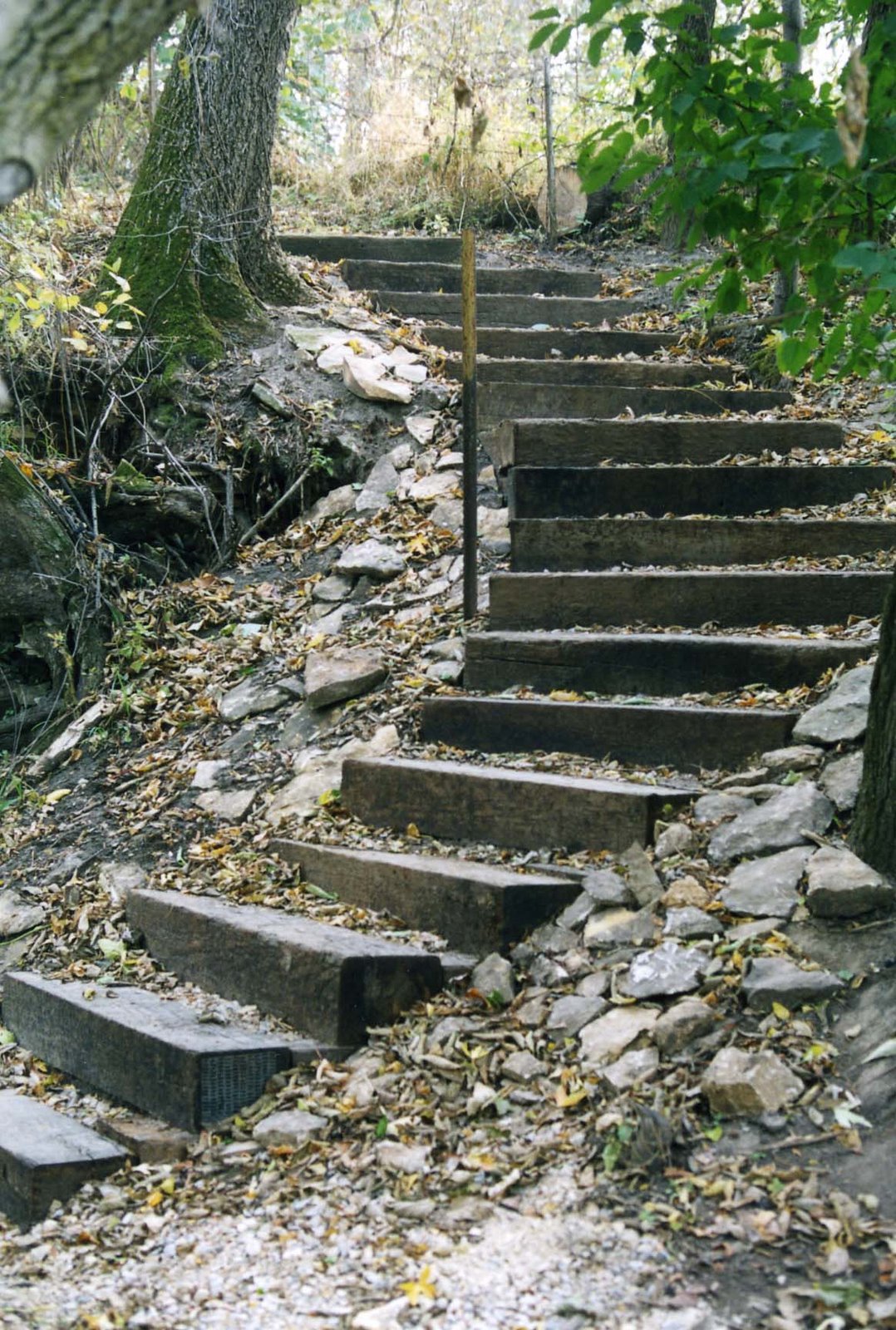 Tomorrow’s the begining of what is called “The Week of Prayer for Christian Unity” when we take up Jesus’s prayer that God’s people should be one. I discovered in my run the other day that when we see how far we still have to run to reach our goal that we may be tempted to step on the gas and rush, failing to take care of each step taken, finishing up getting nowhere. Maybe that’s what I have felt about the quest for Christian unity – that we are getting nowhere. It becomes frustrating – and frustration leads to anger, and we all know that anger is no good for any sort of unity.
Perhaps it is better to recognise the small steps we take, and to celebrate them – to take care over each step taken.
Timothy Radcliffe (in What is the Point of Being a Christian?) mentions a convent in Burundi. Six of the nuns are Tutsis and six are Hutu. All lost their families in the fighting between the two ethnic groups. Radcliffe asked how they managed to live in peace with each other. They replied that besides their common prayer, they always listened to the nes together believing that nobody should be alone in their grief. Radcliffe writes: “slowly people from all the ethnic groups learned that the monastery grounds were a safe place, and gathered in their church to pray and grow their crops. It was a green place in a burnt land.”

>From time to time sermons get written. Here’s today’s called “Hearing Voices” about the voice of God, the sound of silence and God’s listening to us.
Comment and feedback always welcome.
http://docs.google.com/Doc?docid=dccz2pjc_0fh3mxsc5&hl=en

>Another crisp day for a run – like skating on ice. A bit greedy this morning, trying to run further than I could, and halfway round thinking what a long way there still is to go. That’s always dangerous. The thought comes with tiredness and the temptation is to up the pace and get it over with. Far better to take care with each step and to get there in the end. Who siad life’s a marathon?

>Sometimes we feel that people have to have the “last word” in an argument. It is so annoying! Sometimes I have to do presentations – and I apologise for all those occasions when I’ve appeared to want to have the “last word”. That’s the way it happened in my educational background – lecturers who seemed to have everything buttoned up. What they said really was “the last word”, and there was no chance of comeback or developing what had been presented. The impression given was that you had to go away and “learn your lesson”.
I would rather be giving a “first word” – something to set trains of thought going.
And that’s got me thinking about the first word and the last word. The first word is the Word by whom all things came into being – and the last word is also spoken by God. A word of triumph – “it is completed”. Kingdom come – on earth, just as in heaven. The first and the last – alpha and omega – but thanks be to God who allows us to get a word in edgeways, even if we do make a hell of a din.

> Do you fill a space or create a space?

>One member of our church aged 60+ (his age is important) commented to me at the beginning of last Sunday’s Carol Service that he had sung the first verse of Once in Royal David’s City as a solo at the carol service when he was a boy. I suspect that every year the Carol Service began with Once in Royal …………. Things get like that don’t they? This year we started with “Let all mortal flesh keep silence”. Nobody minded. The world didn’t end and nobody complained that we hadn’t sing Once in Royal David’s City at all.
The change that has upset a lot of people is moving hymn books to a table further in the church – done so that those greeting people can concentrate on greeting instead of giving books out, and so that they don’t have their backs to people as they come in. Also it means that people don’t have to walk past the coffee station at the end of the service to return their books. Old habits die hard and I suppose it’s always been done like that. Some change is noticed – other change slips in unnoticed.
I am old enough to remember Roman Catholic churches having to have central altars, so the priest faced the people when celebrating instead of having his back to everyone – and having to use the vernacular instead of Latin. They managed the change almost overnight. Sometimes it pays to have a Pope!

>